

Sandersville Landscape Services
Sign up now for summer service and enjoy a lush, beautiful yard all season long!
Get a Free QuoteLandscape Services Tailored for Sandersville, Georgia
Expert Lawn Care for Sandersville’s Unique Environment
Sandersville’s climate brings a blend of hot, humid summers and mild winters, creating distinct challenges for local lawns. Homeowners in neighborhoods like North Harris Street and around the scenic Kaolin Park often contend with drought stress during peak summer months, while shaded lots from mature oaks and pines can make it difficult for grass to thrive. Sloped properties near the Oconee River are especially prone to soil erosion after heavy rains, requiring specialized care and erosion control solutions. For more information about the city’s parks and community resources, visit the official Sandersville website.
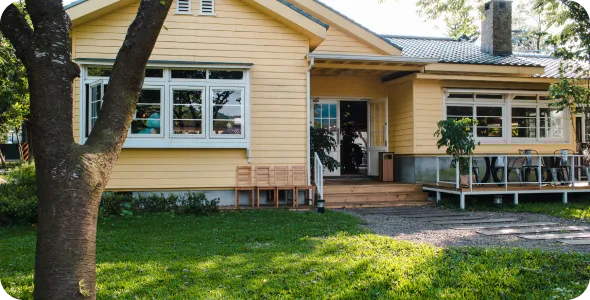
Our Sandersville Landscaping & Yard Care Services
Sandersville Gardening Services
Sandersville Yard Clean Up
Why Choose Sandersville Landscape Services
Sandersville Homeowners Trust Us

Comprehensive Lawn Maintenance
-
Reliable Seasonal Cleanups
-
Expert Tree and Shrub Care
-
Efficient Irrigation Solutions
-
Competitive Pricing
-
Professional and Courteous Team
-
Satisfaction Guarantee
Contact Your Local Sandersville Public Works or Solid Waste Department for Green Waste Info
Sandersville, located in Washington County in the Middle Georgia region, operates yard waste and brush collection programs through its Public Works Department. Residents should bundle branches to four-foot lengths and place bagged leaves and grass clippings curbside on scheduled pickup days. Plastic bags are generally discouraged in favor of biodegradable bags or open containers. The Washington County convenience center accepts yard debris with proof of residency; branch diameter limits and load-size restrictions apply. Commercial landscapers must use approved disposal facilities and may incur separate fees. Storm debris collection is coordinated after severe weather events. Blowing or dumping clippings, leaves, sediment, or fertilizer granules into streets, gutters, storm drains, ditches, or streams is prohibited under local stormwater rules and the Clean Water Act. Grasscycling—leaving finely cut clippings on the lawn—reduces waste volume and returns nutrients to the soil.
Sandersville Public Works Department
115 South Harris Street, Sandersville, GA 31082
Phone: (478) 552-2466
Official Website: City of Sandersville
Lawn Care Regulations & Permits in Sandersville, GA
All commercial pesticide applicators working in Sandersville must hold valid licenses under the Georgia Pesticide Use and Application Act of 1976 and the Georgia Pesticide Control Act of 1976. Credentials can be verified through the Georgia Department of Agriculture - Search for Pesticide Applicators. Fertilizer products sold and applied in Georgia are regulated under the Georgia Fertilizer Act of 1997, though local stormwater ordinances may influence application timing and runoff prevention. Outdoor watering in Sandersville follows statewide Georgia Water Conservation rules, including odd/even address schedules and restrictions on midday irrigation. Noise ordinances limit powered equipment operation to daytime hours in residential areas, with additional weekend and holiday restrictions. Commercial lawn care operators must maintain a valid occupation tax certificate with the City of Sandersville, carry liability insurance, and comply with vehicle and trailer regulations.
Georgia Department of Agriculture
19 Martin Luther King Jr. Drive SW, Atlanta, GA 30334
Phone: (404) 656-3600
Official Website: Georgia Department of Agriculture
What Neighborhoods Do We Serve in Sandersville, GA?
Sandersville's neighborhoods reflect Middle Georgia's transitional soil and climate character, where Piedmont clay-loam gives way to sandier Coastal Plain soils depending on elevation and location within Washington County.
- Downtown Sandersville / Historic Core — Mature hardwood canopy creates shade stress on lawns. Older lots feature compacted soils and limited drainage infrastructure. Centipedegrass and bermudagrass dominate, with zoysiagrass in some maintained properties. Historic-district aesthetics influence landscape expectations.
- North Sandersville / Highway 15 North Corridor — Newer residential development with mixed sun exposure. Soils trend toward clay-loam with moderate compaction. Bermudagrass performs well in open lots; shade from planted pines challenges turf density along property edges.
- South Harris Street / Riddleville Road Area — Established neighborhoods with larger lots and mixed hardwood-pine canopy. Sandy-loam soils drain faster but leach nutrients. Centipedegrass thrives as a lower-input option.
- East Sandersville / Highway 24 Corridor — Suburban-style properties near schools and commercial areas. Variable soils require site-specific turf strategies. Bermudagrass and zoysiagrass handle traffic and sun well.
- West Sandersville / Tennille Highway Area — Transitional lots with some low-lying areas prone to seasonal saturation after heavy Middle Georgia thunderstorms. Drainage management and proper mowing height are critical.
- Kaolin Road / Industrial Fringe Residential — Properties near Washington County's kaolin mining areas may encounter disturbed or compacted fill soils requiring aeration and organic amendment before turf establishment.
- Brown Springs Road / Rural-Edge Neighborhoods — Larger rural-residential lots with sandy Coastal Plain influence, pine straw accumulation, and lower-input centipedegrass or bahiagrass landscapes.
Partnering With Sandersville's Stormwater, Environmental, or Sustainability Office
Sandersville's Public Works Department oversees stormwater infrastructure and drainage management in coordination with Washington County. Lawn care practices directly affect local water quality in the Oconee River watershed and its tributary creeks. Compliance with Georgia EPD - Stormwater and Georgia EPD - Municipal Stormwater standards protects downstream resources. Sustainable landscaping practices that support stormwater quality include:
- Proper mulching around beds and trees to reduce erosion
- Grasscycling to return organic matter and reduce waste
- Compost topdressing to improve soil structure in compacted clay-loam areas
- Rain garden installation in low spots to capture and filter runoff
- Native plant integration along drainage corridors
- Avoiding fertilizer application before forecasted rain events
Coordination with the Georgia Soil and Water Conservation Commission - Urban Erosion & Sediment Control ensures that any land-disturbing lawn renovation activities follow proper sediment control practices.
Georgia Environmental Protection Division
2 Martin Luther King Jr. Drive SE, Suite 1456 East, Atlanta, GA 30334
Phone: (404) 656-4713
Official Website: Georgia Environmental Protection Division
Washington County UGA Cooperative Extension
202 West Church Street, Sandersville, GA 31082
Phone: (478) 552-2011
Official Website: UGA Cooperative Extension
Top Sandersville Lawn Problems (and How We Solve Them)
Middle Georgia's long, hot summers and transitional soils create specific turf challenges in Sandersville. Research from UGA Turfgrass and UGA Lawn Care & Landscaping guides science-based solutions:
- Heat and drought stress — Summer temperatures regularly exceed 95°F. Deep, infrequent irrigation during early morning hours and selection of drought-tolerant bermudagrass or centipedegrass reduce turf loss.
- Soil compaction in clay-loam areas — Core aeration in late spring for warm-season grasses improves water infiltration and root development in compacted residential soils.
- Large patch disease — Zoysiagrass and centipedegrass are susceptible during cool, wet transitions. Avoid late-season nitrogen applications and improve air circulation through proper mowing height.
- Armyworm infestations — Fall armyworms can devastate bermudagrass lawns in late summer. Monitor for damage patterns and apply targeted treatments following integrated pest management principles.
- Mole cricket damage — Sandy-loam soils in southern portions of Washington County support mole cricket populations. Soil-applied treatments timed to nymph emergence in June are most effective.
- Brown patch in fescue — The limited tall fescue lawns in Sandersville's shadier lots suffer brown patch during humid summers. Reducing nitrogen and improving drainage are essential.
- Weed pressure after summer rain — Crabgrass, nutsedge, and doveweed thrive in Middle Georgia's warm, wet conditions. Pre-emergent applications timed to soil temperature and post-emergent spot treatments reduce chemical load.
Soil testing through the Washington County UGA Extension office provides pH and nutrient data critical to correcting these issues at their source.
What Makes Lawns in Sandersville Different From the Rest of Georgia?
Sandersville sits in USDA Hardiness Zone 8b within Middle Georgia's transition between the Piedmont Plateau and the upper Coastal Plain. This creates lawn conditions distinct from other Georgia regions:
- Soil variability — Unlike Metro Atlanta's consistent red clay or South Georgia's deep sands, Sandersville's soils range from clay-loam on higher ground to sandy loam in lower areas, requiring site-specific management confirmed through the USDA Web Soil Survey
- Extended warm season — A growing season exceeding 230 days supports bermudagrass and centipedegrass performance but increases pest and disease pressure compared to North Georgia
- Kaolin-influenced soils — Washington County's kaolin deposits create unique soil chemistry and drainage patterns not found in Coastal or Mountain Georgia
- Moderate winter dormancy — Warm-season grasses go dormant later and green up earlier than in North Georgia, but frost events still occur, unlike Coastal Georgia
- Rainfall pattern — Average annual rainfall near 46 inches arrives in intense summer thunderstorms, creating runoff and erosion risk on compacted or sloped lots
- Transition-zone turf selection — Centipedegrass and bermudagrass dominate, with zoysiagrass in managed settings, unlike the tall fescue preference of North Georgia or the St. Augustinegrass prevalence along the coast
Supporting Local Events in Sandersville With Lawn Expertise
Professional lawn care supports Sandersville's community life through turf preparation and maintenance for public spaces. Key areas of coordination include:
- Preparation and recovery of athletic fields at Washington County schools and recreation facilities
- Turf maintenance for Sandersville's city parks and public green spaces
- Lawn readiness for downtown festivals and seasonal community gatherings
- Support for the Sandersville Farmers Market and civic events at public venues
- Coordination with Parks and Recreation for summer program field conditions
- Post-storm cleanup assistance including fallen limb removal, debris clearing, and turf repair after severe Middle Georgia thunderstorms
- Volunteer support for watershed cleanup events and community beautification projects along local creek corridors
Sandersville Parks & Recreation Department
115 South Harris Street, Sandersville, GA 31082
Phone: (478) 552-2466
Official Website: City of Sandersville
Eco-Friendly Landscaping Backed by Sandersville's Water-Saving and Green Initiatives
Sustainable lawn care in Sandersville aligns with statewide Georgia Water Conservation goals and local watershed protection priorities. Water-saving practices include:
- Smart irrigation controllers that adjust to rainfall and soil moisture
- Watering only during permitted early-morning hours to reduce evaporation
- Zone calibration to prevent overwatering and runoff
- Selection of drought-tolerant centipedegrass and bermudagrass cultivars
- Improving soil organic matter through compost topdressing to increase moisture retention
Reduced-chemical approaches include:
- Integrated pest management prioritizing cultural controls before chemical intervention
- Proper fertilizer timing based on soil test results to prevent nutrient runoff into the Oconee River watershed
- Pollinator-friendly bed plantings and native species integration per UGA Invasive Species guidance
Carbon footprint reduction strategies include battery-powered mowers and blowers, route optimization, local mulch reuse from city brush programs, and grasscycling to reduce green waste hauling.
National Weather Service — Peachtree City Office
4 Weather Service Road, Peachtree City, GA 30269
Phone: (770) 486-1133
Official Website: National Weather Service Offices
U.S. Environmental Protection Agency, Region 4
61 Forsyth Street SW, Atlanta, GA 30303
Phone: (404) 562-9900
Official Website: EPA Region 4
Proudly Serving These Streets and Areas in Sandersville
Our service coverage spans all of Sandersville and surrounding Washington County residential areas:
Downtown / Central Sandersville:
- South Harris Street, North Harris Street, East Haynes Street, West Haynes Street, Church Street, Smith Street, Council Street, Warthen Street
North Sandersville:
- Highway 15 North corridor, Deepstep Road, Linton Road, Riddleville Road North, Kaolin Road
South Sandersville:
- South Harris Street extension, Highway 15 South, Tennille Highway (Highway 15), Swint Street
East Sandersville:
- Highway 24 East (Fall Line Freeway), East McCarty Street, Sparta Highway areas, properties near T.J. Elder Middle School and Washington County High School
West Sandersville:
- Highway 24 West, Tennille Highway, Brown Springs Road, properties near Sandersville Technical College
Notable Landmarks and Service Points:
- Washington County Courthouse and downtown square
- Sandersville City Park and recreation areas
- Washington County schools and athletic complexes
- Oconee River tributary corridors and associated buffer zones
- Kaolin Road industrial-residential transition areas
- Historic residential streets with mature canopy and established landscapes
Properties near creek corridors, stormwater detention areas, and stream buffers require special attention to fertilizer setbacks and erosion prevention in compliance with local and state environmental standards.
Georgia Soil and Water Conservation Commission
4310 Lexington Road, Athens, GA 30605
Phone: (706) 552-4470
Official Website: Georgia Soil and Water Conservation Commission